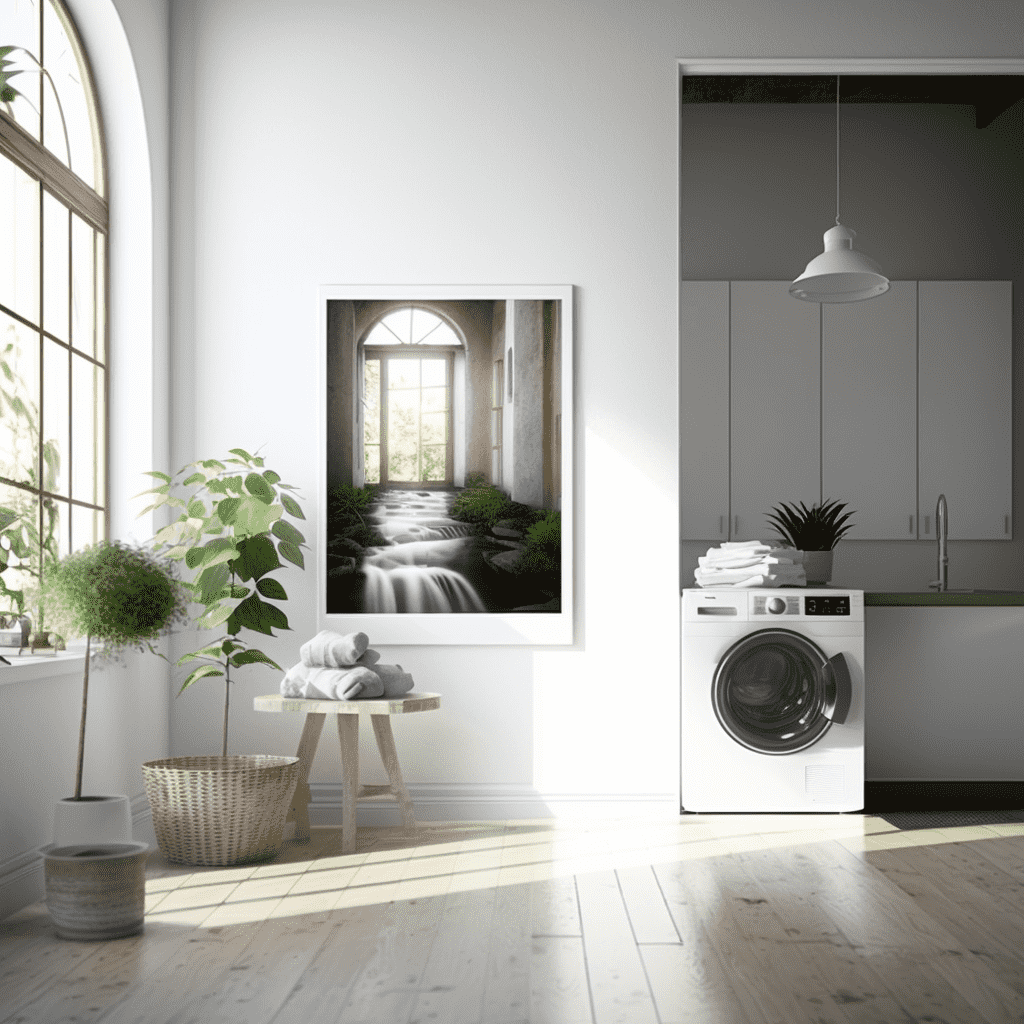
Introduction to the importance of lighting in interior design
Lighting is an essential element of interior design. It can (not only) provide practical illumination but also set the mood and atmosphere for a room. Poorly chosen lighting fixtures will not only spoil any well-thought-out design scheme, but can cause eye strain and fatigue!
Choosing the right lighting for any given space requires understanding the different types of fixtures available, as well as their intended purpose and function. From overhead lights to wall sconces, there are numerous varieties to choose from. It's important to select a fixture that provides adequate illumination while still retaining an aesthetically pleasing look. (Additionally), one should consider how much light is needed in order to create the desired atmosphere in a particular room.
To determine what type of fixture is best suited for each area of your home or office, it's wise to explore all your options first. Task lighting, like desk lamps or reading lights, should be bright enough that one can see without straining their eyes or squinting too much. Ambient lighting (like wall sconces) gives off soft light perfect for creating just the right ambiance in any setting - whether it's a living room, bedroom or bathroom. Accent lights are used to draw attention to certain pieces of artwork or furniture; they come in several shapes and sizes so you're sure to find one that suits your decorating needs!
In conclusion, selecting the proper lighting for your interior design project takes careful consideration and planning. With so many options available today, it pays off to do research when choosing fixtures - this way you'll be sure to get exactly what you need! Doing this will ensure that you end up with a great looking result that meets both functional and aesthetic requirements –now go out there and light up your space!
Factors to consider when choosing lighting fixtures
The importance of lighting in interior design cannot be overstated. It can transform any space from dull to dazzling! (Negation) Choosing the right fixtures is essential for achieving the desired effect, however it's not always an easy task. There are several factors to consider when selecting lighting fixtures; size, style and purpose.(Transition Phrase) Firstly, you'll need to think about the size of the room and your desired effects. If you have a large area that needs to be lit, then larger fixtures will be necessary. On the other hand, smaller rooms may require more subtle solutions.
Next up is style. Do you want something modern and minimalist or something more classic? This comes down to personal preference but there are lots of options available so don't forget to shop around! (Interjection) Finally, determine what purpose each fixture will serve: ambient lighting, task lighting or accent lighting - this will help you decide which type of fixture is best suited for that particular area.
Remember: choosing the appropriate lighting fixtures can make all the difference in interior design! So take your time to consider these factors before making your final decision.
Types of lighting fixtures available
Lighting is an essential element in interior design and choosing the right fixtures can make a huge difference. (There) are many types of lighting fixtures available, such as recessed lights, pendant lights, chandeliers, wall sconces and track lighting. Each type of fixture can have different effects on the overall atmosphere of a room. Recessed lights are great for creating soft ambient light that is unobtrusive and adds to the ambiance of the space. Pendant lights bring attention to specific areas or features within a room, while chandeliers provide grandeur and elegance. Wall sconces offer both task lighting as well as ambient illumination whereas track lighting offers flexibility and versatility in how you arrange your light sources around the room.
Besides providing visibility, proper lighting also helps set the mood of a space. Bright whites can be used to create an energizing atmosphere while softer yellows may make guests feel more relaxed or cozy. Additionally, dimmers can be used to further customize the desired ambiance for any occasion or activity! For a modern look, one could use LED fixtures which come in various shapes and sizes - from bulbs to tubes - providing energy efficient options for those looking to reduce their environmental impact.
Moreover, it's important to select fixtures that work with your existing décor but also ones that fit into your budget.(So), it's important to shop around and compare prices before making your purchase decision; this will help ensure you're getting something that not only looks good but also fits within your financial means! Lastly, don't forget about safety; always choose UL-certified products that comply with safety standards when shopping for lighting fixtures!
In conclusion, when selecting home fixtures it’s important to consider all aspects – from style and aesthetics to budget and safety – so that you end up with pieces that suit both your needs as well as those of anyone who lives in or visits your home regularly. With careful consideration you'll definitely find the perfect fit!
Tips for selecting the right fixture for a specific space
Lighting is an important element of interior design, and choosing the right fixtures can make a big difference in the look and feel of your space. (It's) critical to understand how different types of lighting will affect the atmosphere and functionality of any room. Here are a few tips for selecting the right fixture:
First, consider your purpose. Are you looking for task lighting, ambient lighting or accent lighting? Task lights provide direct illumination where you need it most; like over a kitchen counter or desk. Ambient light fills an entire space with light and creates an overall atmosphere; think floor lamps and wall sconces. Finally, accent lighting adds visual interest by highlighting artwork or draw attention to particular areas of a room.
Next, think about scale. When shopping for fixtures make sure they are not too large or too small for the area you’re trying to illuminate. Also check that they fit within your overall design scheme; if you’re going for modern vibe then choose a fixture that reflects that style!
In addition, take into account energy efficiency when selecting fixtures as well (as). LED bulbs tend to use less energy than traditional incandescent bulbs while still providing bright illumination! Furthermore, be mindful of safety regulations such as installation codes and wattage limits - this is especially important when choosing outdoor lights!
Finally, don't forget aesthetics! You want your lights to enhance the beauty of your space so pick something that appeals to you aesthetically - after all this is your home we're talking about!
To sum up; there are many factors to consider when selecting the right fixture for a specific space but these tips should help guide you in making wise decisions about what type of light will work best in any given area.
Benefits of incorporating natural light into interior design
The importance of lighting in interior design is paramount. It can (drastically) transform a space, and therefore must be chosen carefully! Natural light provides a multitude of advantages, such as aiding the reduction of energy costs and creating an inviting atmosphere. However, when incorporating natural light into your design scheme, there are several points to consider.
Firstly, it's important to assess the direction of the sun relative to the room. This will determine how much light enters throughout the day and what kind of glare you may experience. Secondly, if you want to filter out harsh sunlight or retain more warmth during colder months then window treatments could be a great option. Lastly, take into account any impact that natural light may have on furniture fabrics or artwork in order to prevent discoloration over time.
On top of these practicalities though, using natural light can provide a real aesthetic boost. It can make rooms feel larger by allowing for more open floor plans and create warm ambience without having to rely upon electric lights - especially beneficial come dusk when electric bills tend to soar! Additionally, windows which receive ample amounts of natural light can become focal points themselves; so much so that they become part of your overall design scheme rather than simply being functional elements in a room!
In summary, taking advantage of natural light should always be considered when designing interiors due its numerous benefits ranging from cost effectiveness throught to aesthetics. Incorporating it thoughtfully will ensure that you enjoy all its advantages whilst maintaining functionality within your home environment.(!)
Advantages and disadvantages of artificial light sources
Interior design is not just about creating a beautiful space, but also about creating the right atmosphere. Lighting plays an important role in this process. (It) can help create different moods and emphasize certain elements of the design. However, when choosing light fixtures for a particular interior design project, there are advantages and disadvantages to consider for both artificial and natural light sources.
One advantage of using artificial lighting is its versatility. You can get creative with your light fixtures and choose from a wide range of available options: from floor lamps to wall sconces, from pendant lights to recessed lighting etc. Additionally, artificial lighting offers more control over the amount of illumination you need in each space - something that natural light simply cannot provide!
On the other hand, too much artificial light can be overwhelming and (it) may interfere with your desired atmosphere. Moreover, some types of artificial lighting are energy-intensive compared to natural daylight which is free! Furthermore, it’s not always easy to find fixtures that suit your aesthetic needs as well as provide adequate illumination at the same time - so you have to be careful when selecting them!
Still, despite its drawbacks, when used correctly artificial lighting can still be incredibly effective in any interior design project. Plus!, there's no denying its convenience - you won't have to worry about shifting sunlight or seasonal changes like you would with natural daylight! Therefore if done properly it could dramatically improve the overall look and feel of any given space.
In conclusion, considering both advantages and disadvantages of artificial light sources should be part of any successful interior design project. Although it requires extra caution when selecting fixtures, ultimately it will make all difference in creating the perfect atmosphere desired for each room or area.
Popular trends in interior design lighting
Interior design lighting is an important part of creating a warm and inviting atmosphere in any home. It can also be used to create a dramatic effect, setting the mood for any room. Choosing the right fixtures for interior design lighting can be tricky, though! (It's) Not just about picking something that looks good; it's also about considering the function of each space and how the different types of light will work with your decor.
When choosing lighting fixtures, there are several factors to consider. Firstly, look at the purpose of each room – is it primarily for entertaining guests? Or do you use it for reading or studying? This will help determine which type of fixture would best suit the needs of that particular space. For example, if you’re looking for a relaxing ambience then go for softer lights like sconces or wall-mounted lamps; whereas if you want bright task lighting then opt for something like recessed cans or pendants.
The location of your lights is another factor to take into account when selecting your fixtures. Placing them strategically around a room can draw attention to certain features, such as artwork or furniture pieces, and make a space appear larger than it actually is. Additionally, try experimenting with dimmers and other controls so that you can adjust the level of illumination depending on what activity you’re doing in that area.
Finally, don't forget about energy efficiency when selecting your fixtures! LED bulbs are becoming increasingly popular as they consume less electricity while still providing plenty of illumination; plus they last much longer than traditional bulbs too! Alternatively, natural light sources like skylights and windows are great options if available - not only do they provide free light but they also add some extra character to a room!
In conclusion, interior design lighting is an essential element in creating an inviting atmosphere within any home. By taking into consideration various factors such as purpose and location when selecting fixtures, you'll be able to achieve exactly what you're after without compromising on style or energy efficiency! So let there be no doubt: when it comes to designing interiors – proper lighting really does make all the difference!
Summary of the importance of lighting in interior design
Lighting is an essential element for any interior design. (It) can completely change the look of a room and create the perfect atmosphere. Lighting can set a mood, highlight features, and create an inviting ambiance. Therefore, it's important to choose the right fixtures when designing a space!
When selecting lighting fixtures, it's important to take into account the size of the room, what activities will be taking place there and your desired aesthetic. You should also consider task lighting for areas where tasks will be performed such as kitchen countertops or desks. Additionally, you may wish to incorporate accent lights to draw attention to artwork or architectural details in a room.
Transition phrase: Additionally, one must keep in mind...
It's also essential to pay attention to energy efficiency when choosing light fixtures. Energy-efficient bulbs can help conserve energy and save money on utility bills! Moreover, you should determine how much light is needed by measuring foot candles with a light meter; this will ensure that you don't end up with lighthing that is too bright or too dim. Finally, always opt for high-quality pieces that are durable and attractive so they'll last over time!
In conclusion, lighting is key when creating a successful interior design scheme - make sure to choose your fixtures wisely! By considering factors like size of the room, energy efficiency and overall aesthetics you can pick pieces that fit your needs perfectly!